
Foundation block wall installation in Laguna Niguel CA - a base built for the load
Planning an addition, a crawl space or a wall against a slope? We build the block foundation to suit the ground it holds.
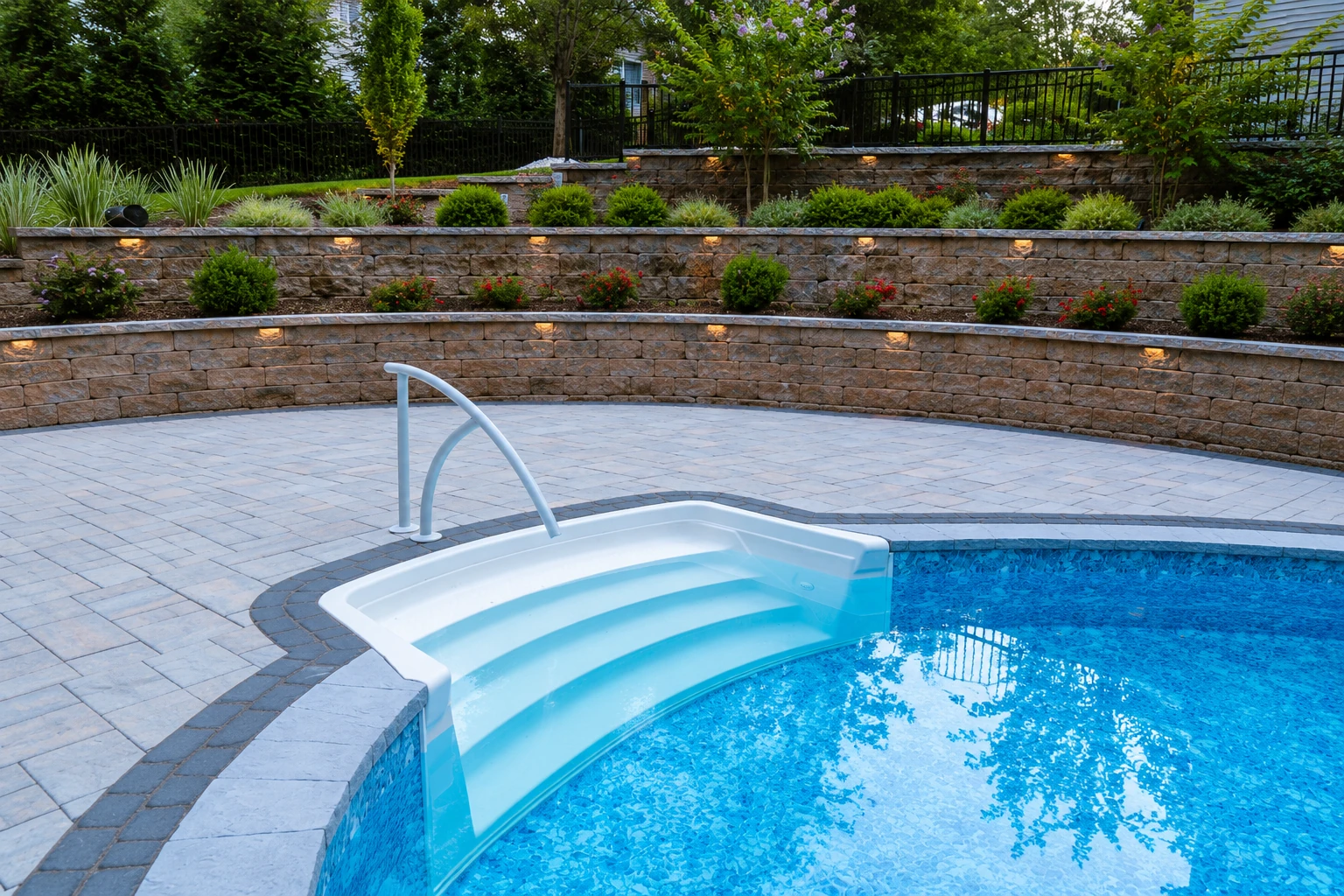
Foundation block walls hold up what you build
Foundation block wall installation is the part of a Laguna Niguel project you mostly won't see once we're done. Our crew digs out the ground, pours a concrete footing and builds the wall up from concrete block, which suits below-ground work because it's strong, it lasts, it's economical and it stands up to fire, insects and noise.
It covers two kinds of work. One is a stem wall, the short block wall a house or addition sits on, often with a crawl space behind it. The other is the footing and buried block under a site or retaining wall, the part that keeps everything above it straight.
The price moves with how deep we dig, how tall the wall runs, how much soil it holds and whether it needs steel or an engineer's design. The schedule usually turns on the permit and any paperwork that has to come first. I come out myself, look at the job and give you a written estimate.
Where a foundation block wall does its work
A base for an addition
When you're adding a room, a block stem wall on a concrete footing lifts the new floor off the ground and carries the framing above it. We build it to line up with the house you already have, so the new part sits right beside the old.
Space under the floor
A crawl space usually has block walls, and it costs more than a slab because of the extra digging. In return you get room underneath for storage and for a water heater and other heating and cooling equipment.
Footings for walls holding soil
A retaining wall or a block fence holding back a yard starts below ground with a footing and the first courses of block, the rows you'll never see. That buried part decides whether the wall stays straight, so we give it the same care as the face.
Foundation wall, block wall or repair?
If the wall will carry part of your house or hold soil behind it, you're in the right place, because that's where the footing and steel matter most. A freestanding garden or property-line wall with nothing pushing on it is usually our concrete block walls work.
If a foundation is already there and it's cracked or settling, start with foundation repair, because I'd rather save a wall that was built right than tear it out. A tall wall holding back a hillside falls under retaining wall construction, and we often plan the two together.
Sometimes the foundation is just the first piece. A grill island or counter gets its own block base in our outdoor kitchen masonry work, and a path along the new wall comes under walkway construction, so we can plan them at the same visit and dig once.
What to settle before we start digging
How much ground it holds
The soil packed behind a wall decides how big the footing gets and whether reinforcing steel goes in, because block walls can go up without it but ones holding back a lot of soil may need it. I plan the footing and steel around that load before we order any block.
Bracing before the soil goes back
We brace the wall before any soil goes back against it, because a foundation wall meant to be held at the top can crack or even fail if the dirt goes in while it's standing on its own. My dad taught me that one early, and I won't skip it.
Room to dig and pile dirt
We need a way in for the dig and a spot to pile the soil that comes out, since some of it goes back once the wall is braced. Tell me about sprinklers, buried lines, tight side yards and anything else in the way, and I'll plan around it.
Foundation block walls in Laguna Niguel
In Laguna Niguel the city reviews plans before any building or grading starts, and retaining walls and block walls over 42 inches high need their own permit. If you're in an HOA, the city wants the association's approval letter before it issues one. We handle the paperwork and line up inspections, and tell you early what comes first.
The city says its hills and soil make building here a challenge, so new construction, or a site where soil or a structure has already failed, needs a geotechnical or geology report, a study of the soil and slope. We get a lot of calls for walls on sloped yards, here and in Aliso Viejo and Laguna Hills.
Questions people ask before building a foundation wall
How much does a concrete block foundation wall cost?
Across the US, a stem wall or crawl space foundation with concrete block walls usually costs about $6 to $18 per square foot. That's the going national range, not our price. I'll give you a written estimate for your wall after I see it, and it's satisfaction guaranteed on every job.
When does a block wall in Laguna Niguel need an engineer's design?
A retaining wall or soil-holding block fence in Laguna Niguel needs an engineer's or architect's design whenever the city's standard plan doesn't fit. That plan covers walls over 3 feet and under 6 feet high, and can't be used under a rising slope, on or above a coastal bluff, where slopes have failed, or in or next to a flood plain.
Who is allowed to build a foundation wall in California?
Whoever builds it has to be licensed by the California Contractors State License Board if the project needs a building permit, uses hired workers, or costs $1,000 or more in labor and materials together. That rule covers building or changing any structure on those jobs, and we're fully licensed and insured.
How do I check if my Laguna Niguel lot is in an earthquake zone?
Type your address into the state's EQ Zapp map, and it shows whether your property sits within any mapped earthquake hazard zone. You can tell me what it shows when I come out to look at your lot.
How long does a block foundation wall take to build?
Most of the wait usually comes before we dig, while the permit, any soil report, HOA letter or engineer's design gets done. Once we're on site, the time turns on the dig, the footing, the block work and bracing the wall before backfill, and I'll walk you through that order when I come out.
Tell us about your foundation block wall
Send your wall's height, its spot on the lot and any HOA letter. We reply within one business day, then I visit for a free written estimate, no obligation.
(949) 312-6076Mon–Fri: 7 AM–9 PM, Sat–Sun: 6 AM–9 PM