
Foundation repair in Laguna Niguel CA - a house that stops settling and holds steady
Doors that stick, growing cracks or a floor that slopes usually mean the ground has moved. We find out why and steady the house.
What foundation repair means for your house
Foundation repair is how we steady a house whose foundation has settled unevenly, cracked, heaved or failed. A common repair uses helical piles, steel posts that screw down into firmer soil, which get fastened to your existing footing so they carry the house.
This page is about fixing the foundation your house already sits on. Putting in a new one is a different job, foundation block wall installation, and so is patching brick or mortar that cracked for reasons of its own.
The price mostly depends on how many piers your house needs, how deep the firm soil is and whether we dig outside or work inside. The schedule depends on the engineer's report and any city review, because both come before any digging. I look at every job myself and give you a written estimate for yours.
What foundation repair can fix in your house
Uneven settling
When one side of the house sinks more than the rest, you see cracks over doors and windows, floors that slope and doors that won't latch. Piers hand that side's weight down to firmer soil, so it isn't riding on the ground that moved anymore.
Cracked or heaved footings
Ground can push a foundation up just as easily as it lets it drop, and either way the footing can crack. The repair ties that section back to steady support, and once it stops moving, the cracks can be sealed.
Bringing a house back near level
One pier maker says its system can either hold a house where it is or lift it back close to where it started. How far yours can come back is something we'll only know once the engineer has weighed in and the work is open.
Foundation trouble or a mortar problem?
Here's what I show homeowners on their own walls. Thin cracks that follow the mortar, with doors and windows that still open and close easily, are usually just worn joints. Tuckpointing takes care of those. We rake out the old mortar and pack in fresh.
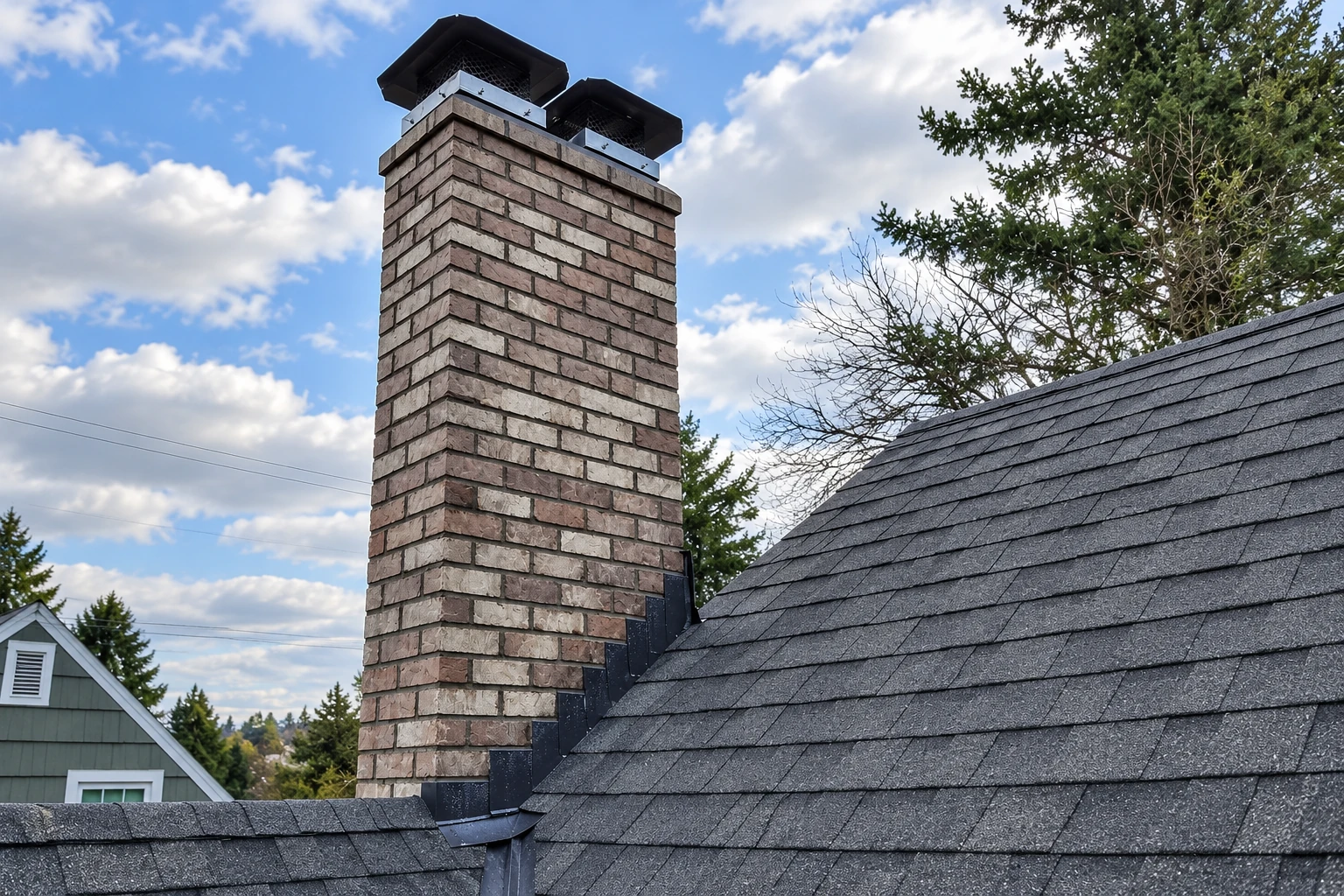
A chimney with a cracked cap or loose bricks up top needs chimney repair. If the whole chimney is leaning away from the house, though, the trouble is usually down at the footing, and that makes it a foundation question.
Foundation trouble usually starts with the ground, so before I suggest anything, we walk around together and look at the cracks and where your water drains. I'd rather take the slower way that protects your house than a patch that looks good for a year.
What to settle with us before digging starts
Where we'll dig
Outside pier work means digging down to the footing, and one pier maker's guide describes that as either a trench along the whole wall or a hole at each pier. Ask which one your house needs, because it decides what happens to the plants and paving along that side.
Marking buried lines first
The same guide tells crews to call 811, the national call-before-you-dig number, so buried utility lines get marked with paint or flags. Don't be surprised to see those marks in your yard before any digging starts.
Whether your slab is post-tensioned
A post-tensioned slab is poured around steel cables pulled tight. Coring or drilling into one after it's built can damage it and make a cable fail. If you have one, ask how we plan any drilling, and we'll go over where each hole goes before we start.
Foundation repair in Laguna Niguel starts with the ground
The city issues grading permits for slope repairs, and its list doesn't name foundation repair. Whether your job needs a permit is a question for the city's Building & Safety office, which reviews plans before any grading or building work starts. When a permit is needed, we handle the paperwork and line up the inspections.
The city says its hills and ground conditions can call for a geotechnical report, a soil engineer's study of the lot. It requires one when a house sits closer to a slope than its grading rules allow. We're based in Laguna Niguel and work in many cities around it, like Aliso Viejo and Laguna Hills, and we check the drainage closely on sloped lots in all of them.
Questions people ask before foundation work
When does Laguna Niguel require a geotechnical report for foundation repair?
The city requires one for any repair after soil or structure failure and whenever piles or deepened footings go in, so a pier repair here starts with a report. A registered geotechnical engineer should prepare and sign it, and a certified engineering geologist should sign too when the site's geology shapes the design. We're fully licensed and insured, and I'll walk you through what the report says.
How much does an installed foundation pier cost in California?
An installed steel foundation pier in California usually costs about $1,500 to $3,200 per pier. That's the usual price across the state, not ours. Your own figure comes from the written estimate I give you after I've seen the house.
Can we stay in the house during foundation pier work?
Usually, yes. One pier maker says helical piles go in with portable equipment, even in tight indoor spaces, and without vibration, so the house can stay in use with little inconvenience. Once we've seen the job, we'll tell you which rooms or which side of the yard we'll need.
How do I protect my foundation after repair?
Keep water draining away from the outer edge of the house. A maintenance manual for slab foundations calls that drainage critical on expansive soil, the clay kind that swells and shrinks, for as long as the foundation is in service. The same manual expects the builder to hand the owner a maintenance program, so if you have one, keep it and follow it.
What happens after the house is lifted on the piers?
One pier maker's guide lists the last steps as checking that doors and windows work, crack repair, waterproofing, backfill, cleanup and final elevation readings. We backfill what we dug and clean up before we go. It's satisfaction guaranteed on every job, and foundation work is no different.
Tell us about your foundation repair job
Send photos of the cracks and any past soil reports. We reply within one business day, and I come out for a free on-site estimate with no obligation.
(949) 312-6076Mon–Fri: 7 AM–9 PM, Sat–Sun: 6 AM–9 PM